
21 plain-language guides · reviewed against ACS sources
Every cancer is different.
Understanding it matters.
Cancer comes in many forms. Each type can develop differently, affect the body in different ways, and raise different questions. Explore different cancer types to better understand the disease, what researchers know today, and where NFCR is helping to create possibilities for the future.
- Cancer type guides, A to Z
- 21
- New U.S. cancer cases expected in 2026
- 2M+
- Cancer survivors living in the U.S. today
- 18M+
- Of NFCR-funded research across cancer types
- 50 yrs
U.S. estimates · Source: American Cancer Society, Cancer Facts & Figures
Explore different cancer types
Understand cancer better
21 types · find the information and next steps relevant to you

Bladder Cancer
The 6th most common cancer in men — often caught early.
Learn more
Blood Cancer
Includes leukemia, lymphoma and myeloma — cancers affecting the blood and bone marrow.
Learn more
Brain Cancer
Includes glioblastoma, the focus of NFCR’s GBM AGILE trial.
Learn more
Breast Cancer
The most common cancer among women in the U.S.
Learn more
Cervical Cancer
Largely preventable through screening and HPV vaccination.
Learn more
Childhood Cancer
Affects children and teens, from leukemia to brain tumors.
Learn more
Colorectal Cancer
A leading cause of cancer death — screening can help save lives.
Learn more
Head & Neck Cancer
Often linked to tobacco, alcohol and HPV.
Learn more
Kidney Cancer
Among the ten most common cancers in the U.S.
Learn more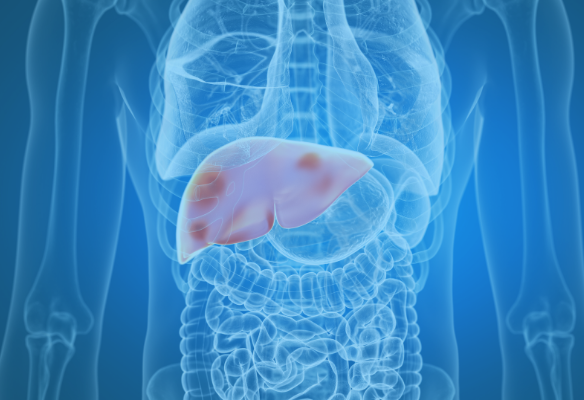
Liver Cancer
Often linked to hepatitis B and C infections.
Learn more
Lung Cancer
The leading cause of cancer death worldwide — driving urgent research into prevention, detection and treatment.
Learn more
Metastatic Cancer
When cancer spreads beyond where it began — a core focus of NFCR research.
Learn more
Ovarian Cancer
Early signs can be subtle — knowing the warning signs can help prompt earlier evaluation.
Learn more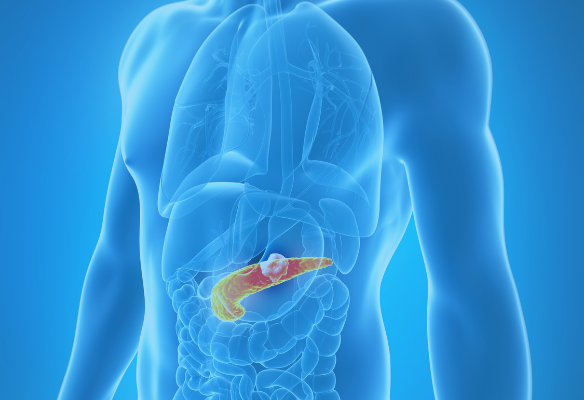
Pancreatic Cancer
One of the deadliest major cancers — making earlier detection a critical research priority.
Learn more
Prostate Cancer
The most common cancer in U.S. men after skin cancer.
Learn more
Sarcoma
Rare cancer of bone and soft tissue, with many distinct subtypes.
Learn more
Skin Cancer
The most common cancer in the U.S. — and highly preventable.
Learn more
Stomach & Esophageal Cancer
Often diagnosed at later stages — knowing the warning signs matters.
Learn more
Testicular Cancer
The most common cancer in young men — highly curable when found early.
Learn more
Thyroid Cancer
Highly treatable, especially when found early.
Learn more
Uterine Cancer
The most common gynecologic cancer in the U.S.
Learn moreNo cancer type matches “”. Try a different spelling, or browse all cancer information.
Why genes matter more than organs
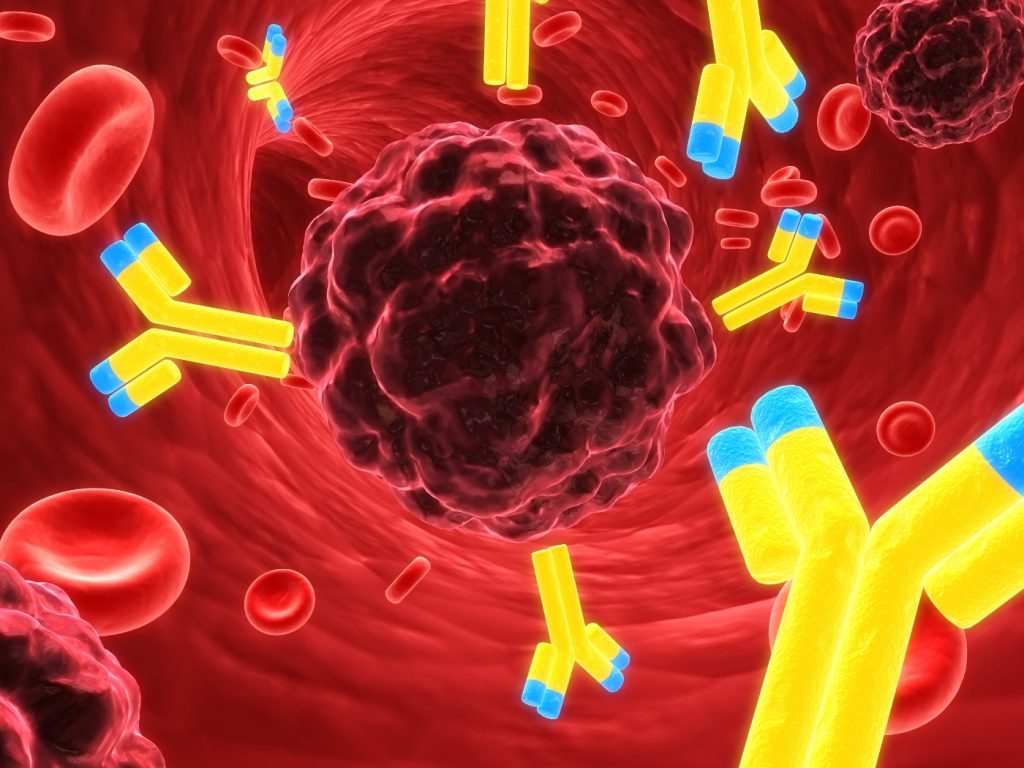
Cancer care is shifting from where a tumor starts to what triggers & drives it
Medicine is moving from an organ-focused view of cancer to a gene-focused one — cancer genomics. Understanding the genetic changes behind a tumor lets doctors offer more individualized treatment, known as precision medicine. NFCR-supported scientists apply genomics across cancer types, so progress made in one disease can benefit many others.
Explore the next step in your journey
Resources & Support
Newly Diagnosed?
Understanding your diagnosis, staging, pathology and the questions to ask your doctor.
Navigate a new diagnosisTreatment & Care
Explore treatment approaches, clinical trials and ways to manage care and treatment side effects.
Explore treatment infoSupport for Everyday Life
Resources to help you navigate daily life with cancer, from managing challenges to finding support along the way.
Living with cancerNavigate Cancer Together
Explore information and resources to help you and your loved ones navigate cancer.
Patient & caregiver resourcesHow to Help
Discover meaningful ways to support cancer research and help move medical advancements forward.
Find ways to helpResearch makes cures possible
Every new discovery has the potential to change what we know about cancer — how it begins, how it spreads, how it can be detected, and how it can be treated.
Your support helps fund scientists working across cancer types to turn promising discoveries into life-saving options for patients.
Prefer to speak with someone? Call us to donate — 1-800-321-CURE.