News & blog Nourishing Hope: How nutrition supports cancer treatment and recovery
Donate now
All news & blog Prevention & lifestyle

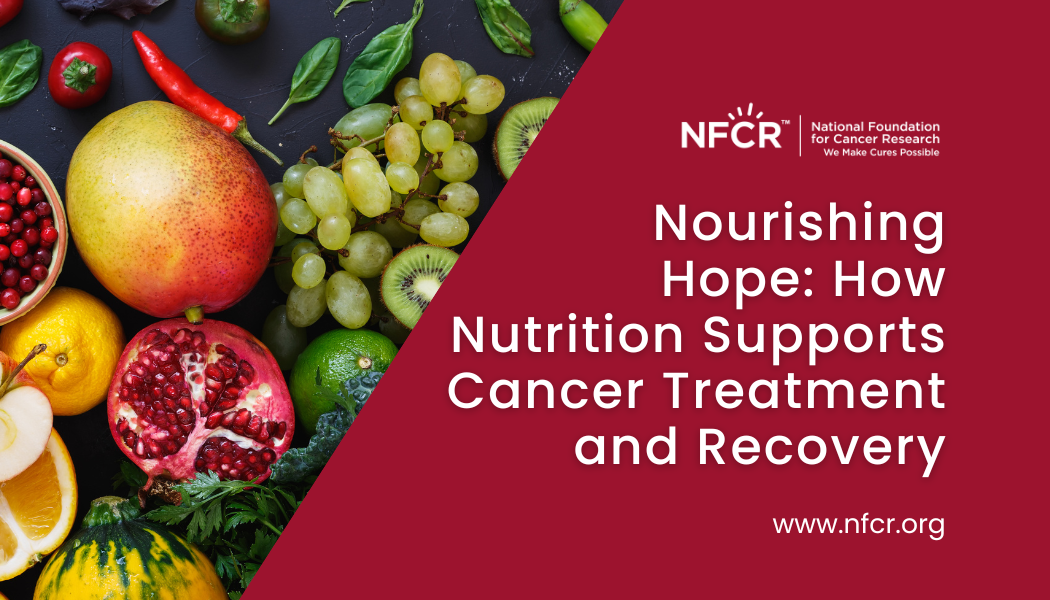
Nourishing Hope: How nutrition supports cancer treatment and recovery

Food is more than fuel — it’s medicine. Nutrition can’t cure cancer alone, but a balanced diet helps your body cope with treatment, rebuild strength, and promote recovery.

At the National Foundation for Cancer Research, we know that food is more than fuel — it’s medicine. Proper nutrition during and after cancer treatment plays a vital role in healing, strengthening the body, and improving quality of life.

While nutrition cannot cure cancer alone, a balanced, healthy diet — built around foods rich in fiber, vitamins, minerals, and antioxidantsCompounds in colorful fruits and vegetables that help protect cells from damage caused by unstable molecules called free radicals. — can help your body cope with treatment, rebuild strength, and promote recovery.

Why nutrition matters during treatment

Treatments like chemotherapy, radiation, and surgery increase the body’s need for calories, protein, and nutrients — while causing side effects like nausea, appetite loss, mouth sores, or taste changes, and weakening the immune system. Good nutrition helps you:

  1. Maintain strength & energy. Eating enough calories and protein helps prevent muscle loss and fatigue, keeping you strong through the course of treatment.

  2. Support healing & tissue repair. Nutrients are the raw materials your body uses to repair tissue after surgery, chemotherapy, and radiation.

  3. Enhance immune function. A nourished body is better equipped to fight infection while treatment temporarily weakens the immune system.

  4. Manage side effects & tolerance. The right foods can ease nausea, mouth sores, and taste changes — improving treatment tolerance and overall well-being.

Five principles of a cancer-fighting diet

There is no single “cancer diet” — but a few simple habits, from plant-based plates to omega-3 fatty acidsHeart-healthy fats found in fatty fish, walnuts, and flaxseed that help reduce inflammation in the body. — go a long way. Flexibility is key: some days will be easier than others.

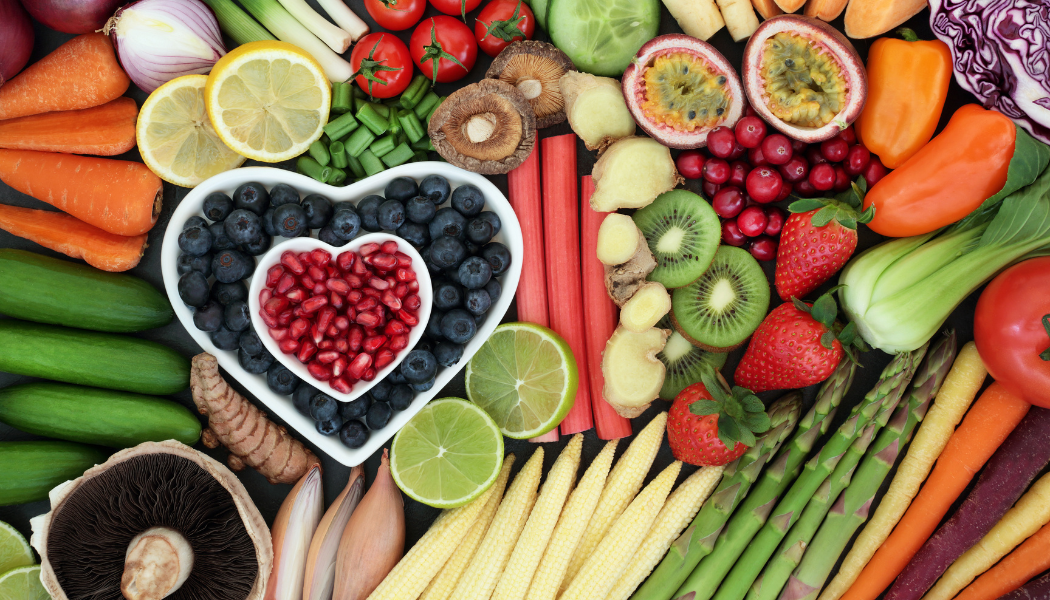
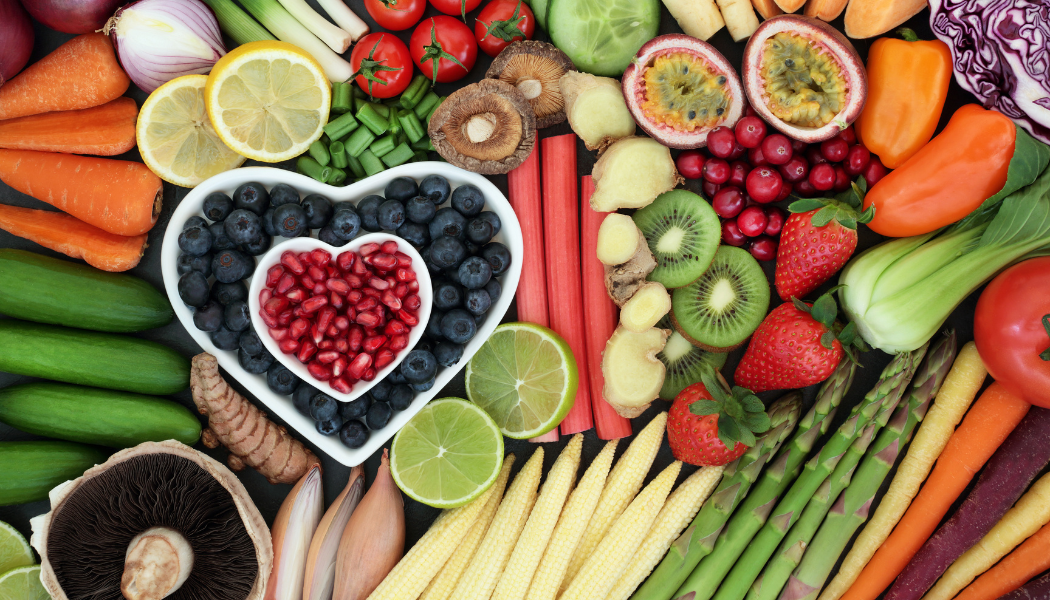
  1. Prioritize plant-based foods. Fill your plate with vegetables, fruits, whole grains, beans, and nuts — rich in fiber, vitamins, minerals, and antioxidants.

  2. Include high-quality protein. Protein maintains muscle and repairs tissue. Good sources: lean meats, poultry, fish, eggs, dairy, beans, tofu, and protein shakes.

  3. Stay hydrated. Drink plenty of water throughout the day. Herbal teas, broths, and electrolyte solutions help — especially with vomiting or diarrhea.

  4. Limit processed and sugary foods. Minimize heavily processed foods, sugary snacks, and red or processed meats.

  5. Focus on healthy fats. Choose heart-healthy fats like olive oil, avocados, nuts, and fatty fish rich in omega-3 fatty acids.

Nourishing your body is an act of hope and strength. Every bite you take to nourish your body is a step toward healing.
NFCR's message to you

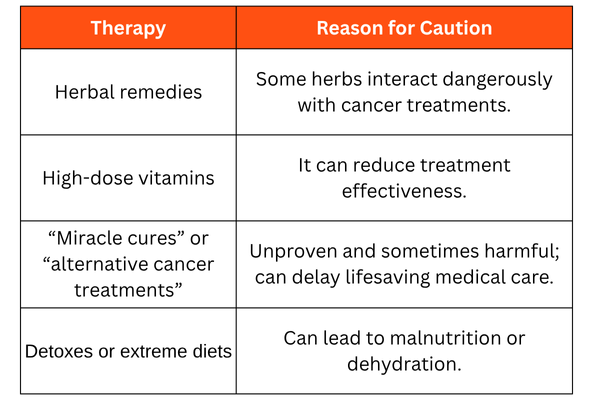
A note about supplements

Some vitamins, herbs, or supplements can interfere with cancer treatments. Always talk to your oncologist or nutritionist before taking any supplement. A food-firstGetting nutrients from whole foods rather than pills — generally the safest and most effective approach during treatment. approach to nutrition is generally safest and most effective during treatment.

You are not alone

Through thoughtful, balanced eating, you can help your body face treatment with resilience and lay a foundation for recovery. NFCR is with you, supporting every aspect of your healing. Continue the series: Exercise during and after cancer treatment: building strength for healing →

Breakthroughs need research — research needs you

Stay informed about cancer research breakthroughs, or help fund the next one.

Keep reading

All news & blog
News & blog Nourishing Hope: How Nutrition Supports Cancer Treatment and Recovery
Donate now

Nourishing Hope: How Nutrition Supports Cancer Treatment and Recovery

At the National Foundation for Cancer Research (NFCR), we know that food is more than fuel; it’s medicine. Proper nutrition during and after cancer treatment plays a vital role in healing, strengthening the body, and improving quality of life.

While nutrition cannot cure cancer alone, a balanced, healthy diet can help your body cope with treatment, rebuild strength, and promote recovery.

Why Nutrition Matters During Cancer Treatment

Cancer treatments like chemotherapy, radiation, and surgery can affect your body’s needs in many ways:

  • Increase the need for calories, protein, and nutrients
  • Cause side effects like nausea, appetite loss, mouth sores, diarrhea, or taste changes
  • Weaken the immune system, making it even more important to support the body with nourishing foods

Good nutrition can help you:

  • Maintain strength and energy
  • Support healing and tissue repair
  • Enhance immune function
  • Manage side effects more effectively
  • Improve treatment tolerance and overall well-being

Key Principles of a Cancer-Fighting Diet

  1. Prioritize Plant-Based Foods

  1. Include High-Quality Protein

    • Protein is essential for maintaining muscle mass and repairing tissues.
    • Good sources include lean meats, poultry, fish, eggs, dairy products, beans, tofu, and protein-rich shakes.
  1. Stay Hydrated

    • Drink plenty of water throughout the day.
    • Herbal teas, broths, and electrolyte solutions can help, especially if you are experiencing vomiting or diarrhea.
  1. Limit Processed and Sugary Foods

    • Minimize consumption of heavily processed foods, sugary snacks, and red or processed meats.
  1. Focus on Healthy Fats

    • Choose heart-healthy fats like olive oil, avocados, nuts, and fatty fish rich in omega-3 fatty acids.

Coping with Common Eating Challenges

Treatment can make eating difficult. Here are some tips:

Remember: Flexibility is key; some days will be easier than others.

Important Reminder About Supplements

  • Some vitamins, herbs, or supplements can interfere with cancer treatments.
  • Always talk to your oncologist or nutritionist before taking any supplements.

Food-first nutrition is generally safest and most effective during treatment.

NFCR’s Message to You

At NFCR, we believe that nourishing your body is an act of hope and strength. Through thoughtful, balanced eating, you can help your body face treatment with resilience and lay a foundation for recovery.

Remember:

  • Every bite you take to nourish your body is a step toward healing.
  • Every glass of water strengthens your system.
  • Every small choice builds hope for a healthier future.

You are not alone on this journey — NFCR is with you, supporting every aspect of your healing.

Sign-up to Stay Informed About Cancer Research Breakthroughs with NFCR!

A world without cancer is possible. Help us turn lab breakthroughs into life-saving realities.

5.7 Million+

Donors who have fueled NFCR’s mission

$420 Million+

Invested in high-impact research & programs

36+ Labs & Hundreds of

Nobel Laureates & Key Scientists received NFCR funding, driving breakthrough research

Sign-up to Stay Informed About Cancer Research Breakthroughs with NFCR!


Breakthroughs need research — research needs you

Stay informed about cancer research breakthroughs, or help fund the next one.

Keep reading

All news & blog