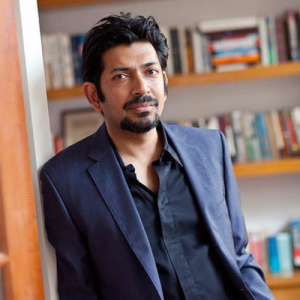
Imagine a world where routine check-ups not only detect cancer in its earliest stages but also guide personalized treatment strategies. The ripple effect of such a paradigm shift would be profound, ushering in an era where cancer is not just battled but anticipated and intercepted. Dr. Siddhartha Mukherjee brings a wealth of knowledge and insight to the pursuit of early cancer detection. His work has not only deepened our understanding of cancer but has also paved the way for transformative diagnostic tools.
Dr. Mukherjee, who specializes in blood diseases and cancer, explores how normal cells turn into cancerous ones. His research focuses on the microenvironment where blood-forming stem cells live within the bone marrow, called the blood-stem cell niche. Think of it like studying the place where blood stem cells grow and thrive, akin to characterizing an environment like a garden to better understand the plants. Within the niche, there are different cell types present besides only blood-forming stem cells. Dr. Mukherjee’s research has characterized how bone-stem cells within this niche regulate the development of blood stem cells.
In particular, he has unraveled the key signals played by bone stem cells in orchestrating the behavior of blood stem cells.
Dr. Mukherjee’s research has not only pinpointed crucial genes and chemicals capable of altering the microenvironment but has also steered clinical trials for potential cancer therapies. The spotlight shines particularly bright on substances like proteasome inhibitors and activin inhibitors, discovered through his work, offering promising avenues for early intervention and treatment. In the complex world of cancer, genes, and how the body works, Dr. Mukherjee’s team is also researching diet as a potential way to catch cancer early. Their investigations into the ketogenic diet’s impact on cancer therapy have revealed its ability to suppress insulin production, thereby potentially enhancing the effectiveness of targeting mutated cancer genes. This research focus echos Dr. Mukherjee’s interest in characterizing how environmental factors, such as diet, can influence the development of cancer.
Further amplifying his impact, Dr. Mukherjee is also exploring new ways to fight certain cancers using the body’s own defenses. Taking an immune therapy approach, Dr. Mukherjee’s research helped discover how to specifically target malignant cancer cell lineages while restoring them with genetically modified stem cells. This method presents a revolutionary avenue in the early management of acute myeloid leukemia and potentially other cancers.
Impact
By characterizing these signaling mechanisms, Dr. Mukherjee’s research aims to identify changes that might signal dangerous blood cancers like myelodysplastic syndrome and leukemia at an earlier stage.