Researchers in a lab examining a sample

Gold Ribbon · Awareness month: September

Childhood Cancer

Childhood cancer includes many different diseases, each requiring an approach suited to the child and the diagnosis. Learn which changes to discuss with a doctor, how to prepare for care and why research focused on children matters for treatment and life beyond cancer.

New U.S. cancer cases expected in children ages 0–14 in 2026
9,680
New U.S. cancer cases expected in adolescents ages 15–19 in 2026
5,660
Approximate risk of developing cancer before age 20, in the published estimate
1 in 260

About

What Childhood Cancer Is

At NFCR, we believe understanding cancer is an important part of fighting it.

Childhood cancer is an umbrella term for many diseases. Leukemia, brain and other central nervous system tumors, and lymphoma are among the most commonly diagnosed groups.

Cancers in children differ from those in adults. Growing bodies can respond differently to treatment, and care must also consider possible effects later in life. Knowing the exact diagnosis helps families understand the decisions ahead.

Different diseases with different care needs

Types of Childhood Cancer

Childhood cancers can begin in different cells and organs. Examples include:

  • Leukemia

    A cancer involving blood-forming tissues, including bone marrow.

  • Brain and other central nervous system tumors

    A varied group affecting the brain or spinal cord; medulloblastoma is one childhood brain cancer studied by our researchers.

  • Lymphoma

    Cancer involving cells of the immune and lymphatic systems.

  • Neuroblastoma

    A cancer that develops from immature nerve cells.

  • Wilms tumor

    A childhood kidney cancer.

  • Rhabdomyosarcoma and bone cancers

    Rhabdomyosarcoma affects soft tissue; osteosarcoma and Ewing sarcoma are examples of bone cancers.

  • Retinoblastoma

    A cancer affecting the retina of the eye.

Each group includes distinct diagnoses. Ask the care team which type and subtype your child has and which features matter for treatment.

Behind every number is a person

By the numbers

The following U.S. estimates describe cancer for children and adolescents. Age groups are shown separately. Survival varies by diagnosis and cannot predict an individual child’s outcome.

  • 9,680New cases expected in U.S. children ages 0–14 in 2026
  • 5,660New cases expected in U.S. adolescents ages 15–19 in 2026
  • 1,090U.S. cancer deaths expected in children ages 0–14 in 2026
  • 730U.S. cancer deaths expected in adolescents ages 15–19 in 2026
  • 1 in 260Approximate risk of developing cancer before age 20, in the published estimate
  • 85%Five-year survival for children with cancer in the published overview; outcomes differ substantially by cancer type

U.S. estimates for 2026 · Source: American Cancer Society

Recognizing possible childhood cancer symptoms

Signs & Symptoms

Many childhood illnesses share symptoms with cancer. Discuss persistent or unexplained changes with your child’s healthcare professional.

  • Lumps or swelling

    Report an unusual lump or swelling that persists.

  • Paleness or low energy

    Ongoing paleness, tiredness or a change in energy deserves assessment.

  • Bruising or bleeding

    Unusual bruises or bleeding should be discussed with a doctor.

  • Pain or a limp

    Persistent pain or a change in how your child walks can need further evaluation.

  • Fever or repeated illness

    Unexplained fever or illness that persists or returns should be assessed.

  • Headaches or vision changes

    Frequent headaches, sometimes with vomiting, or sudden vision changes deserve medical attention.

  • Weight loss

    Report unexplained weight loss.

Describe what you have noticed, when it started and whether it is changing. The doctor can assess possible causes and decide what evaluation is needed.

Understanding childhood cancer risk

Risk Factors & Prevention

Most childhood cancers do not have a strong link to the lifestyle factors often associated with adult cancers. There are few established ways to prevent them.

  • Inherited DNA changes

    Some children inherit changes that increase cancer risk.

  • DNA changes during life

    Many cancer-related changes arise during life rather than being inherited.

  • Family history

    If your family history concerns you, ask whether genetic counseling would be appropriate.

Keep your child’s medical history and relevant family history available for appointments. A healthcare professional can explain whether those details affect care.

How childhood cancer is diagnosed

Screening & Diagnosis

An evaluation is guided by the child’s symptoms and medical history. The tests needed depend on the suspected disease.

  1. Discuss persistent changes

    Tell your child’s doctor what you have noticed and how it has changed over time.

  2. Understand the tests

    Ask which tests are needed, what they can show and how the findings will be explained.

  3. Learn the exact diagnosis

    If cancer is found, ask for its full name and an explanation of its extent and the results that guide treatment.

  4. Identify the next steps

    Ask who coordinates care and whom to contact with new concerns. Keep reports and questions together.

Exploring childhood cancer treatment

Treatment Options

Treatment is planned around the cancer and the child. Growing bodies may be more sensitive to some treatment effects, so discussions should include both the immediate goal and possible longer-term effects.

  • Chemotherapy

    Medicines that attack rapidly dividing cells are used for many childhood cancers.

  • Surgery and radiation

    These may be considered for particular diagnoses; their use depends on the cancer and the child’s circumstances.

  • Immunotherapy

    Some approaches help immune cells recognize cancer. Research has included engineering T cells to recognize certain leukemia and lymphoma cells.

Ask which options are established for your child’s diagnosis and whether a clinical trial is appropriate. Experimental combinations described in research reports should not be treated as proven treatments.

Planning beyond treatment: Some children experience effects of treatment as they grow or later in life. Ask the care team which follow-up and support needs to plan for during and after treatment.

After a childhood cancer diagnosis

What Happens After Diagnosis?

Parents and caregivers may need to absorb unfamiliar information while helping a child through appointments. Begin with the diagnosis, the proposed plan and the questions that matter most to your family.

Childhood Cancer — A few steps can help

A few steps can help

  • Ask for the exact name and subtype of your child’s cancer.
  • Review the reports and ask which results guide treatment.
  • Ask who coordinates care and whom to contact with questions.
  • Discuss the goal and possible short- and long-term effects of treatment.
  • Ask whether a clinical trial or second opinion is appropriate.
  • Bring a trusted person and keep reports, questions and notes in one place.

NFCR · redesign.nfcr.org

Researchers in a lab examining a sample
NFCR research on childhood cancer

The Future of Childhood Cancer Research

Children need treatments developed with their cancers and their growing bodies in mind. Research aims to find more effective approaches while addressing the lasting effects that treatment can have. Studies of pediatric tumors and engineered immune cells offer different routes toward that goal.

What NFCR Is Doing

We support research into treatments for childhood cancers that remain difficult to treat. Cesare Spadoni investigates drug combinations for medulloblastoma and rhabdomyosarcoma. We also supported Laurence Cooper’s work on engineering T cells to recognize CD19-positive leukemia and lymphoma cells. These projects address different diseases and stages of research; they do not represent a single treatment for all children.

Year we began supporting Cesare Spadoni
2017
Funding period for Laurence Cooper
2004–2015
Pediatric cancers at the forefront of Spadoni’s research: medulloblastoma and rhabdomyosarcoma
2

The scientists working on this cancer

Meet current and past-supported scientists in our childhood cancer portfolio. Their work includes research specific to this disease and broader studies of cancer biology and treatment.

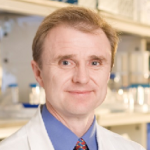
Cesare Spadoni, Ph.D., M.B.A.

University College London, University of London — doctoral training

Investigates experimental drug combinations that act on multiple targets in medulloblastoma and rhabdomyosarcoma. His work seeks to develop treatment approaches for children whose cancers are difficult to treat.

Learn about Cesare Spadoni’s research

Laurence J.N. Cooper, M.D., Ph.D.

University of Texas MD Anderson Cancer Center

Developed ways to genetically modify T cells so they recognize CD19 on certain leukemia and lymphoma cells. We supported this immunotherapy research from 2004 to 2015.

Research makes cures possible

Every new discovery has the potential to change what we know about cancer — how it begins, how it spreads, how it can be detected, and how it can be treated.

Your support helps fund scientists working across cancer types to turn promising discoveries into life-saving options for patients.

Prefer to speak with someone? Call us to donate — 1-800-321-CURE.