What is Genomics Research & Biomarkers?
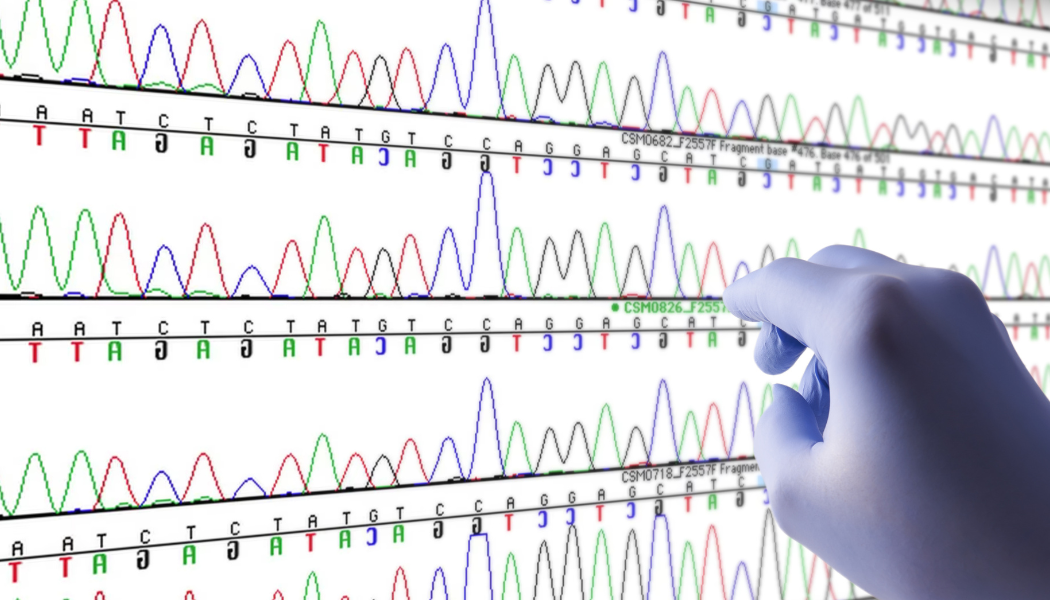
Genomics is the study of the complete genetic makeup of organisms, including gene sequences, structures, functions, and interactions. Cancer genomics aims to identify genetic alterations driving tumorigenesis and affecting treatment responses to develop biomarkers for early detection, prognosis, and therapy selection.
Key areas include mapping genetic mutations, studying gene expression patterns, epigenetic profiling, genome sequencing, and genome-wide association studies linking genetic variants to cancer risk. Biomarkers are measurable indicators of biological states used to guide disease diagnosis, monitoring, and treatment strategies.
NFCR's Current Early Detection & Intervention Focus
A little over 2 million new cancer cases are expected to be diagnosed in the US in 2024 – 20% of new cancer diagnoses come from cancer survivors. One of NFCR’s current focuses is to conduct more research on early cancer detection and early-stage cancer intervention and treatment. We are supporting a group of leading-edge scientists pioneering and investigating innovative approaches to stop cancers at their early stage, such as stage zero, and to detect them before new cancer happens.
Our goal is to reduce cancer incidences and increase cancer survivors. Through a focus on the detection and eradication of the first cancer cell, we can stop cancer before it starts!
NFCR IMPACTS IN EARLY DETECTION AND INTERVENTION RESEARCH
- NFCR has funded research on biomarkers and imaging techniques to improve early detection of cancer, leading to advances like the discovery of altered methylation patterns in precancerous cells.
- Through its public education and awareness efforts, NFCR promotes prevention behaviors like healthy eating, exercise, and recommended cancer screenings that can reduce cancer risk and incidence.
- The Foundation provides funding for chemoprevention research investigating the effectiveness of natural compounds (e.g. antioxidants) and drugs to prevent cancer, furthering the development of risk-reducing options.
NFCR IMPACTS IN GENOMICS RESEARCH & BIOMARKERS RESEARCH
- NFCR funds development of advanced sequencing techniques like single cell RNA-seq to unravel tumor heterogeneity.
- NFCR supports translational research to move newly discovered biomarkers from bench to clinical implementation.
- NFCR’s research grants have enabled studies correlating genomic alterations with treatment response to guide more precise therapeutic selection.
- NFCR provides bridge funding to researchers exploring high-risk, high-reward ideas that could accelerate progress in the field.
NFCR-Supported Researchers Working on Genomics Research & Biomarkers

Lisa Coussens, Ph.D.
Oregon Health & Science University
Elana Fertig, Ph.D
Johns Hopkins University
Sidney Kimmel Comprehensive Cancer Center
Aaron N. Hata, M.D., Ph.D.
Harvard Medical School and
Massachusetts General Hospital

Jessica J. Lin, M.D.
Harvard Medical School and
Massachusetts General Hospital

Teresa Davoli, Ph.D
New York University School of Medicine
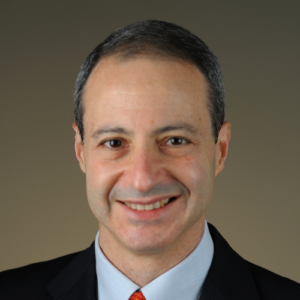
J. Silvio Gutkind, Ph.D
University of California San Diego
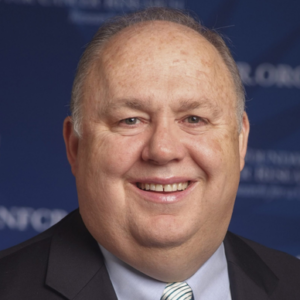
Danny R. Welch, Ph.D.
University of Kansas Cancer Center
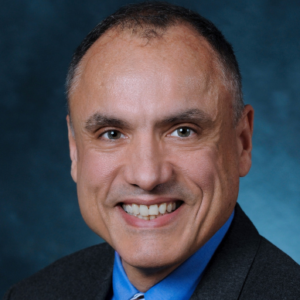
Isidore Rigoutsos, Ph.D.
University Sidney Kimmel Cancer Center
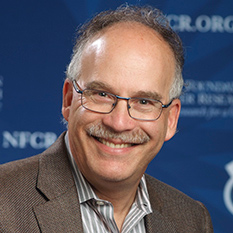
Daniel A. Haber, M.D., Ph.D.
Massachusetts General Hospital Cancer Center

Esther Rheinbay, Ph.D.
Massachusetts General Hospital Cancer Center, Harvard Medical School

Himisha Beltran, M.D.
Dana-Farber Cancer Institute
Harvard Medical School

Srinivas Vaswanathan, M.D., Ph.D.
Associate Professor of Medicine, Harvard Medical School

Ritesh R. Kotecha, M.D.
Memorial Sloan Kettering Cancer Center and Weill Cornell Medicine

Christian Rolfo, M.D., Ph.D.
Associate Director Clinical Research, Center for Thoracic Oncology
Icahn School of Medicine at Mount Sinai
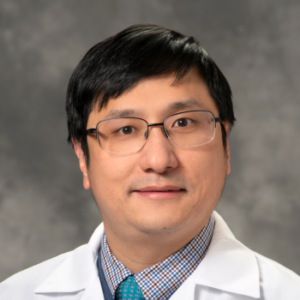
Ling Huang, Ph.D.
Pancreatic Cancer Center,
Henry Ford Cancer Institute
Henry Ford Health System
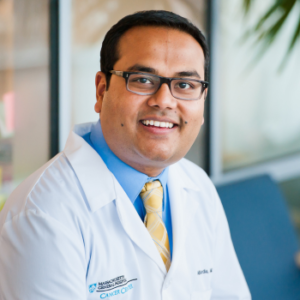
Aditya Bardia, M.D.
Massachusetts General Hospital & Harvard Medical School

Massimo Cristofanilli, M.D.
Professor of Medicine, Chief of Breast Medical Oncology
Weill Cornell Medicine

Benjamin Drapkin, M.D., Ph.D.
Hematology/Medical Oncology
UT Southwestern Medical Center
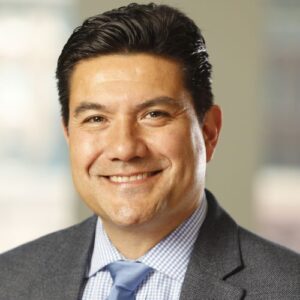
Darren Carpizo, M.D., Ph.D.
University of Rochester
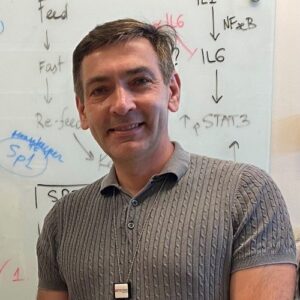
Igor Astsaturov, M.D., Ph.D.
Fox Chase Cancer Center

David H. Peng, Ph.D.
The University of Texas MD Anderson Cancer Center

Cesare Spadoni, Ph.D., M.B.A.
University of London
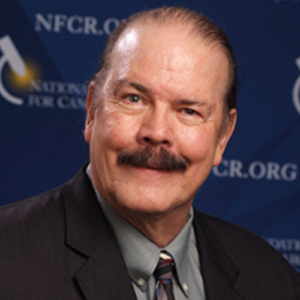
Paul Fisher, M.Ph., Ph.D.
Virginia Commonwealth University
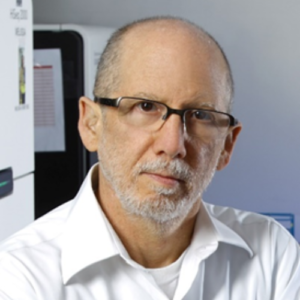
Bert Vogelstein, M.D.
Clayton Professor of Oncology
Co-Director of the Ludwig Center at Johns Hopkins Kimmel Cancer Center
The Johns Hopkins University
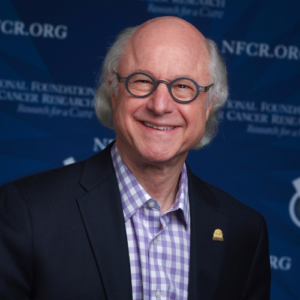
Curt I. Civin, M.D.
University of Maryland School of Medicine
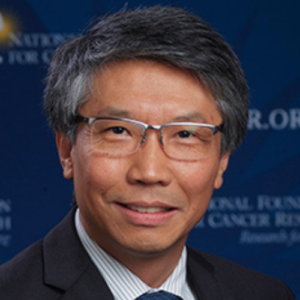
Wei Zhang, Ph.D.
Wake Forest Baptist Medical Center
Learn More About Early Detection & Intervention (Media)
Related Content
A world without cancer is possible. Help us turn lab breakthroughs into life-saving realities.

5.7 Million+
Donors who have fueled NFCR’s mission

$420 Million+
Invested in high-impact research & programs

36+ Labs & Hundreds of
Nobel Laureates & Key Scientists received NFCR funding, driving breakthrough research