Pancreatic cancer causes over 49,000 deaths each year in the US. Currently, researchers do not have the tools to effectively detect the disease at early stages. Moreover, standard of care treatment is only modestly effective and there are no assays to predict patient response to these therapies.
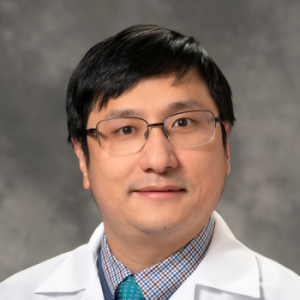
Dr. Ling Huang and his team will isolate circulating tumor cells (CTCs) from pancreatic cancer patients and compare the efficiencies of CTC isolation with blood samples collected from the periphery and the portal vein. His team will determine gene expression in CTCs and use computational analyses to identify changes of gene expression patterns that correlate with patients’ responses to treatments.
Dr. Huang’s team is uniquely positioned to achieve goals. They have a long history of success in enrolling a high volume of patients, including a >20% African American patient population, for clinical and translational research. In addition, his team has already developed working pipelines to apply multi-omics approaches for analyzing clinical samples for personalized medicine.
Impact
These research aims will help optimize CTCs isolation procedures that can be reliably applied in clinical settings. Ultimately, the platform will help guide doctors to tailor therapeutic plans for individual patients to reduce adverse effects and improve clinical outcomes.