The prognostic impact of the detection of circulating tumor cells from various solid tumors has been widely demonstrated. However, other applications beyond the simple enumeration have not been established or translated to the clinic yet, often due to technical limitations. Among these, cultures of circulating tumor cells for functional tests and drug screening is one of the most promising, but it presents great technical challenges.
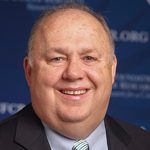
The main challenge is to find the right conditions to make the cancer cells grow outside of their host. It is known the cells from the microenvironment can stimulate tumor growth. Dr. Massimo Cristofanilli hypothesizes that by including components of the microenvironment (endothelial cells and myeloid cells) to better mimic the host environment, it is possible to increase the circulating tumor cell-culture success rate.
His research aims to develop a pipeline for the formation of organoids (three-dimensional cultures) from circulating tumor cells collected from patients with metastatic breast and colorectal cancer (MBC and mCRC), to be used for high throughput drug screening (HTDS).
HTDS would enable scientists to understand the effect of multiple drugs on each patient’s tumor and predict which treatments would be more effective. If successful, the Cristofanilli Lab’s pipeline for cancer cell culture and HTDS could be used as a novel platform to study tumor resistance and response mechanisms, try new drug combinations and identify new biomarkers for prediction of response to specific treatments.