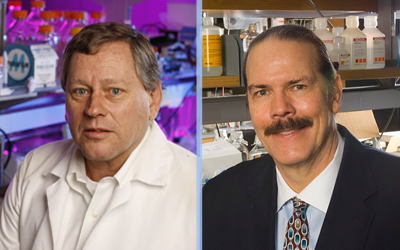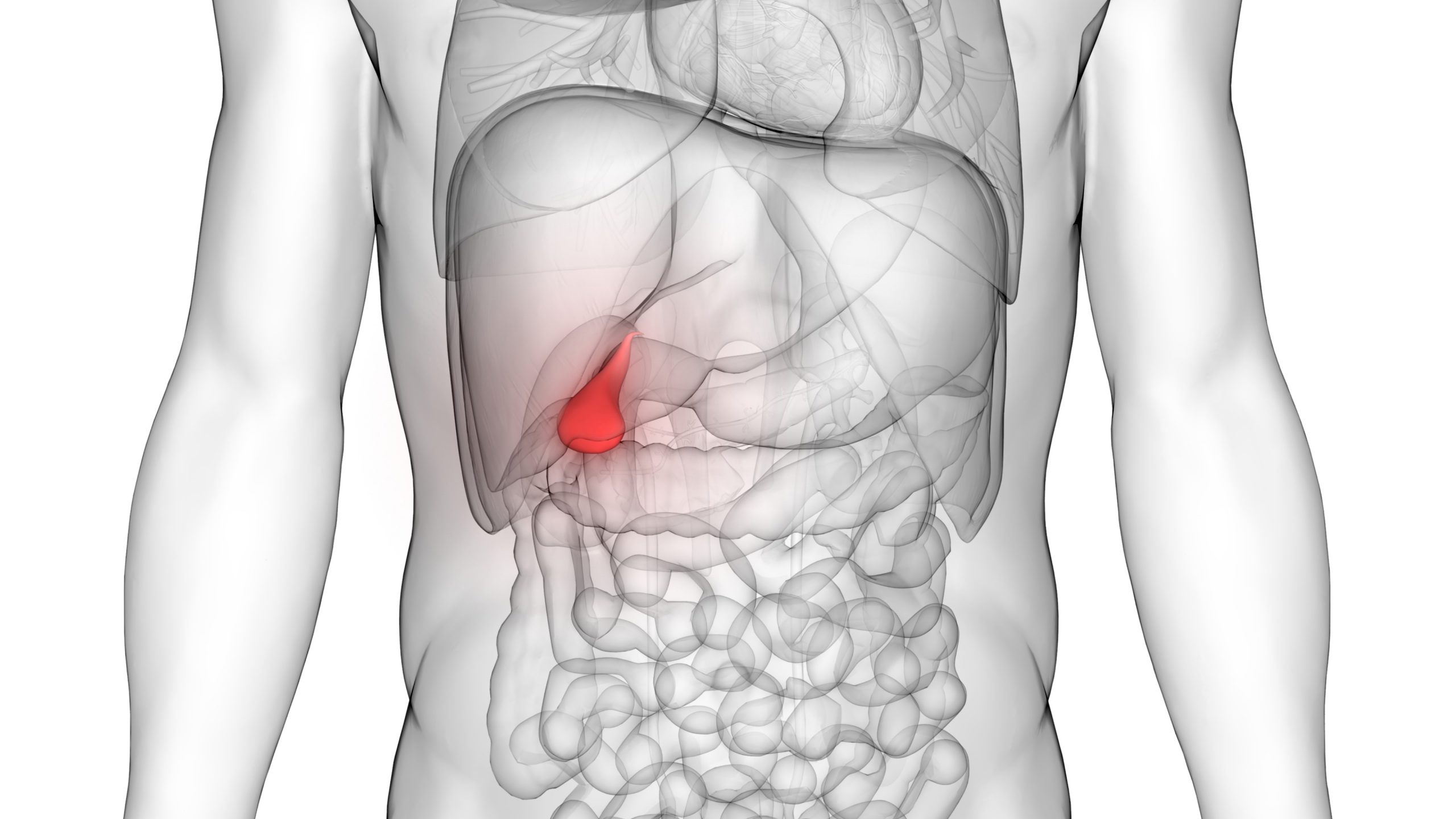
[vc_row][vc_column][vc_single_image image="19347" img_size="full" alignment="center" css=""][/vc_column][/vc_row][vc_row][vc_column][vc_column_text css=""]With February being Gallbladder and Bile Duct Cancer Awareness Month, the National Foundation for Cancer Research wishes to profile a recent study focused on the indication. Like cancers of other organs buried deep within the body, gallbladder cancer is notoriously difficult...
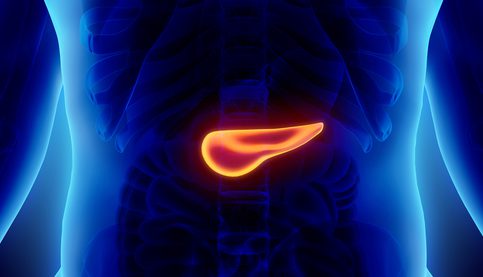
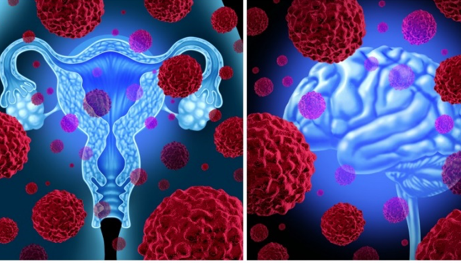
[vc_row][vc_column][vc_single_image image="65731" img_size="full" alignment="right" css=""][/vc_column][/vc_row][vc_row][vc_column][vc_column_text css=""] Today, we will take an in-depth look at pancreatic cancer. The Who According to Johns Hopkins University, this year, “an estimated 53,070 adults (27,670 men and 25,400 women) in the United States will be diagnosed with pancreatic cancer. It is estimated that 41,780 deaths (21,450...

[vc_row][vc_column width="1/3"][vc_empty_space height="22px"][vc_single_image image="14199" img_size="large" alignment="center" css=""][/vc_column][vc_column width="2/3"][vc_column_text css=""] What is “genomics”? Cancer develops when genetic material (DNA) becomes damaged or changed. We know some cancer-causing genetic changes are acquired (e.g., smoking), while others are inherited. Studying cancer genomics explores the differences between cancer cells and normal...