What is Cancer Formation?
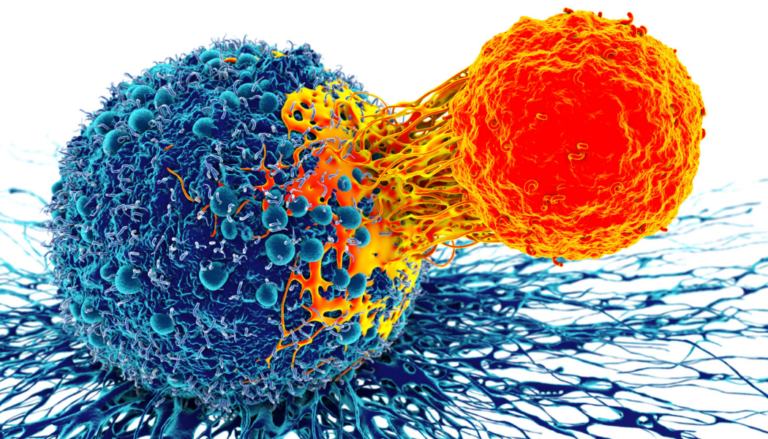
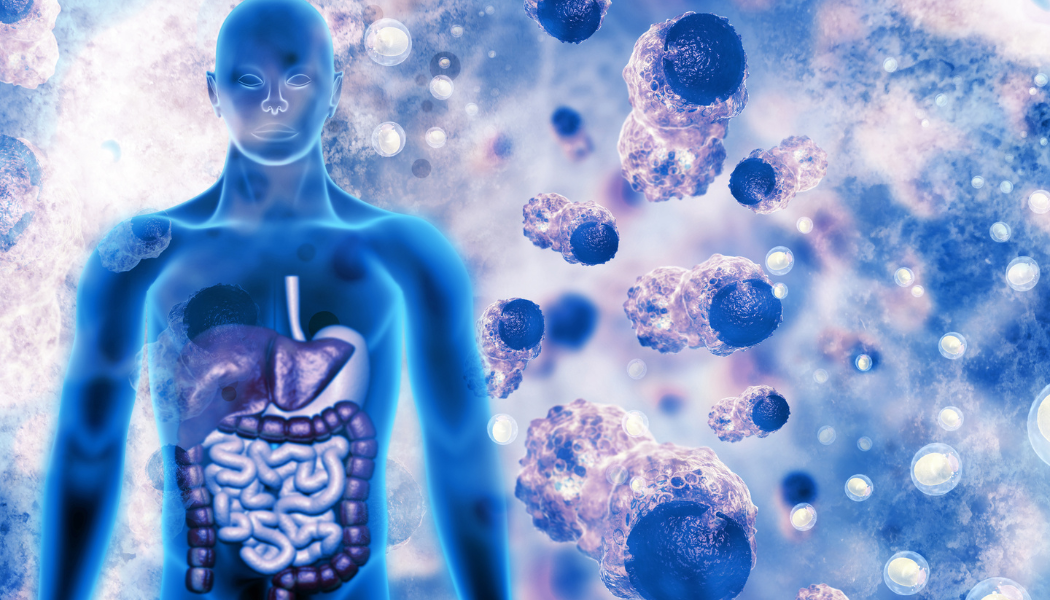
Cancer develops through a multi-step process where cells accumulate genetic mutations and epigenetic alterations that enable them to bypass normal growth controls, avoid cell death, enhance proliferative signaling, promote angiogenesis, and acquire invasive and metastatic abilities. This involves inactivation of tumor suppressor genes and activation of oncogenes.
Understanding the molecular and cellular processes involved in cancer formation is crucial for developing more effective prevention strategies and treatments.
NFCR's Current Early Detection & Intervention Focus
A little over 2 million new cancer cases are expected to be diagnosed in the US in 2024 – 20% of new cancer diagnoses come from cancer survivors. One of NFCR’s current focuses is to conduct more research on early cancer detection and early-stage cancer intervention and treatment. We are supporting a group of leading-edge scientists pioneering and investigating innovative approaches to stop cancers at their early stage, such as stage zero, and to detect them before new cancer happens.
Our goal is to reduce cancer incidences and increase cancer survivors. Through a focus on the detection and eradication of the first cancer cell, we can stop cancer before it starts!
NFCR IMPACTS IN EARLY DETECTION AND INTERVENTION RESEARCH
- NFCR has funded research on biomarkers and imaging techniques to improve early detection of cancer, leading to advances like the discovery of altered methylation patterns in precancerous cells.
- Through its public education and awareness efforts, NFCR promotes prevention behaviors like healthy eating, exercise, and recommended cancer screenings that can reduce cancer risk and incidence.
- The Foundation provides funding for chemoprevention research investigating the effectiveness of natural compounds (e.g. antioxidants) and drugs to prevent cancer, furthering the development of risk-reducing options.
NFCR IMPACTS IN CANCER FORMATION RESEARCH
- NFCR funds research projects investigating novel mechanisms of cancer initiation and progression, contributing to our fundamental understanding of cancer biology.
- Through its educational initiatives, NFCR raises public awareness about cancer risk factors and the importance of early detection based on cancer formation research.
- NFCR supports studies exploring the interplay between genetic predisposition and environmental factors in cancer formation, advancing personalized prevention strategies.
- NFCR’s collaborative research programs facilitate the translation of cancer formation insights into innovative therapeutic approaches and diagnostic tools.
NFCR-Supported Researchers Working on Early Detection & Intervention

Azra Raza, M.D.
Columbia University

Siddhartha Mukherjee, M.D., D.PHIL
Columbia University

Ronald A. DePinho, M.D.
University of Texas MD Anderson Cancer Center
Learn More About Early Detection & Intervention (Media)
A world without cancer is possible. Help us turn lab breakthroughs into life-saving realities.

5.7 Million+
Donors who have fueled NFCR’s mission

$420 Million+
Invested in high-impact research & programs

36+ Labs & Hundreds of
Nobel Laureates & Key Scientists received NFCR funding, driving breakthrough research