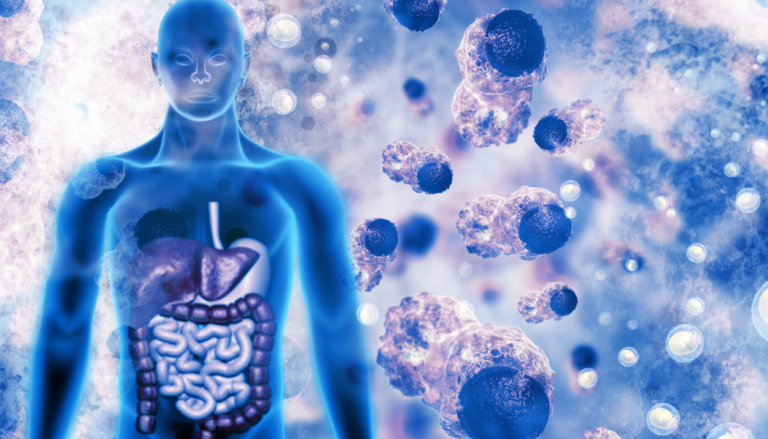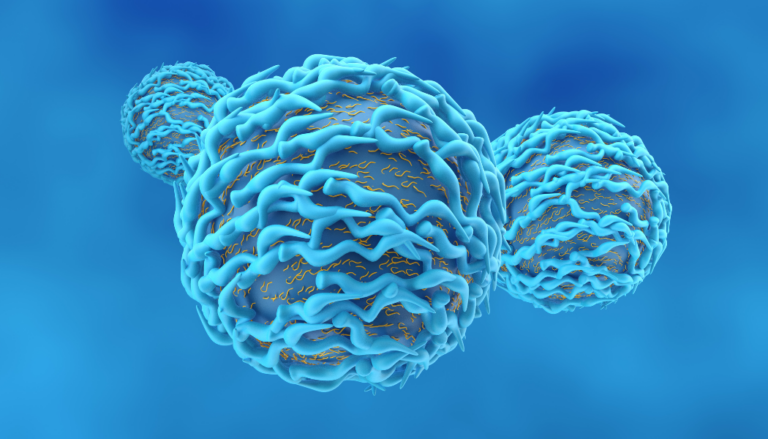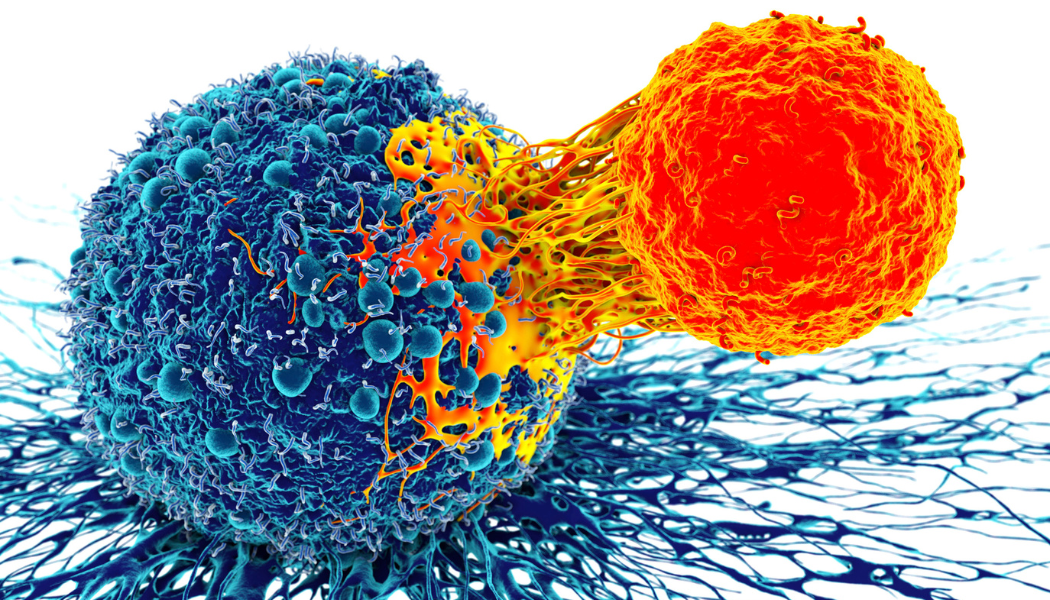
What is Cancer Metastasis?
Metastasis, the spread of cancer cells from the primary tumor to distant sites in the body, is the leading cause of cancer-related deaths. Developing treatments to prevent or inhibit metastasis is a critical goal in improving patient outcomes.
The metastatic process involves multiple steps, including local invasion, intravasation into blood or lymphatic vessels, survival during transit, extravasation into new tissue, and colonization at distant sites. Cancer cells undergo phenotypic changes and interact with the tumor microenvironment to facilitate each step.
NFCR's Current Early Detection & Intervention Focus
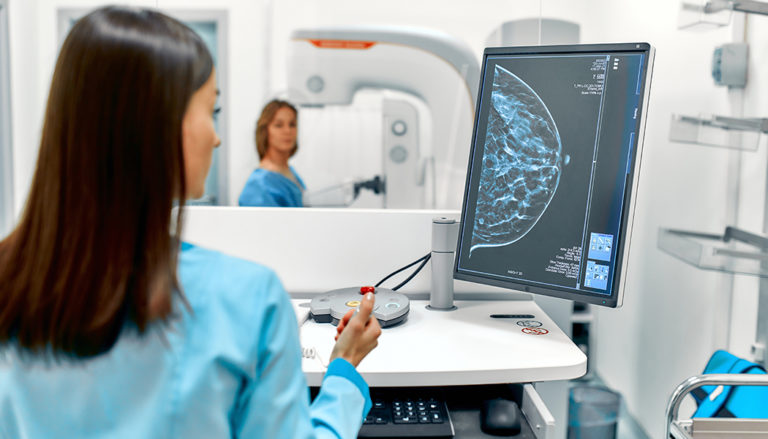
A little over 2 million new cancer cases are expected to be diagnosed in the US in 2024 – 20% of new cancer diagnoses come from cancer survivors. One of NFCR’s current focuses is to conduct more research on early cancer detection and early-stage cancer intervention and treatment. We are supporting a group of leading-edge scientists pioneering and investigating innovative approaches to stop cancers at their early stage, such as stage zero, and to detect them before new cancer happens.
Our goal is to reduce cancer incidences and increase cancer survivors. Through a focus on the detection and eradication of the first cancer cell, we can stop cancer before it starts!
NFCR IMPACTS IN EARLY DETECTION AND INTERVENTION RESEARCH
- NFCR has funded research on biomarkers and imaging techniques to improve early detection of cancer, leading to advances like the discovery of altered methylation patterns in precancerous cells.
- Through its public education and awareness efforts, NFCR promotes prevention behaviors like healthy eating, exercise, and recommended cancer screenings that can reduce cancer risk and incidence.
- The Foundation provides funding for chemoprevention research investigating the effectiveness of natural compounds (e.g. antioxidants) and drugs to prevent cancer, furthering the development of risk-reducing options.
NFCR IMPACTS IN CANCER METASTASIS RESEARCH
- NFCR recognizes pioneering scientists that established paradigms in metastasis research and clinical approaches.
NFCR-Supported Researchers Working on Cancer Metastasis

Paul Schimmel, Ph.D.
Scripps Research
Xiang-Lei Yang, Ph.D.
Scripps Research
Daniel A. Haber, M.D., Ph.D.
Massachusetts General Hospital Cancer Center

Esther Rheinbay, Ph.D.
Massachusetts General Hospital Cancer Center, Harvard Medical School
Danny R. Welch, Ph.D.
University of Kansas Cancer Center

Isidore Rigoutsos, Ph.D.
University Sidney Kimmel Cancer Center

Kornelia Polyak, M.D., Ph.D
Dana-Farber Cancer Institute and Harvard Medical School

Valerie M. Weaver, Ph.D
University of California San Francisco

Ronald A. DePinho, M.D.
University of Texas MD Anderson Cancer Center
Paul Fisher, M.Ph., Ph.D.
Virginia Commonwealth University

Francesca Bersani, Ph.D.
University of Torino, Italy

Aditya Bardia, M.D.
Massachusetts General Hospital & Harvard Medical School

Darren Carpizo, M.D., Ph.D.
University of Rochester

Igor Astsaturov, M.D., Ph.D.
Fox Chase Cancer Center

Webster K. Cavenee, Ph.D.
Ludwig Institute for Cancer Research
Learn More About Early Detection & Intervention (Media)

A world without cancer is possible. Help us turn lab breakthroughs into life-saving realities.

5.7 Million+
Donors who have fueled NFCR’s mission

$420 Million+
Invested in high-impact research & programs

36+ Labs & Hundreds of
Nobel Laureates & Key Scientists received NFCR funding, driving breakthrough research