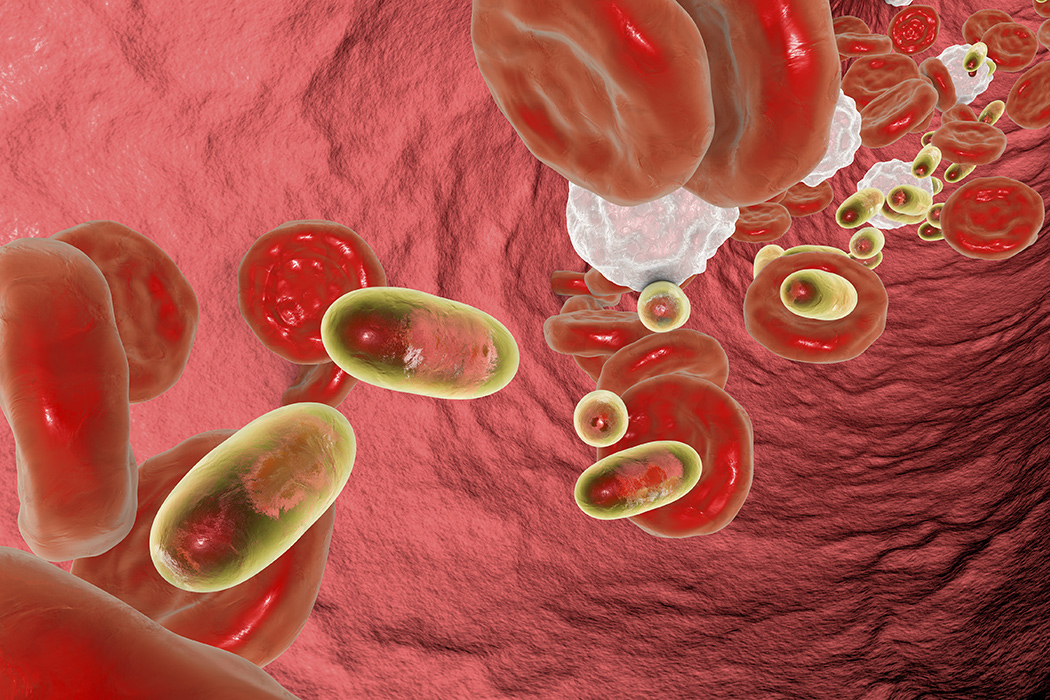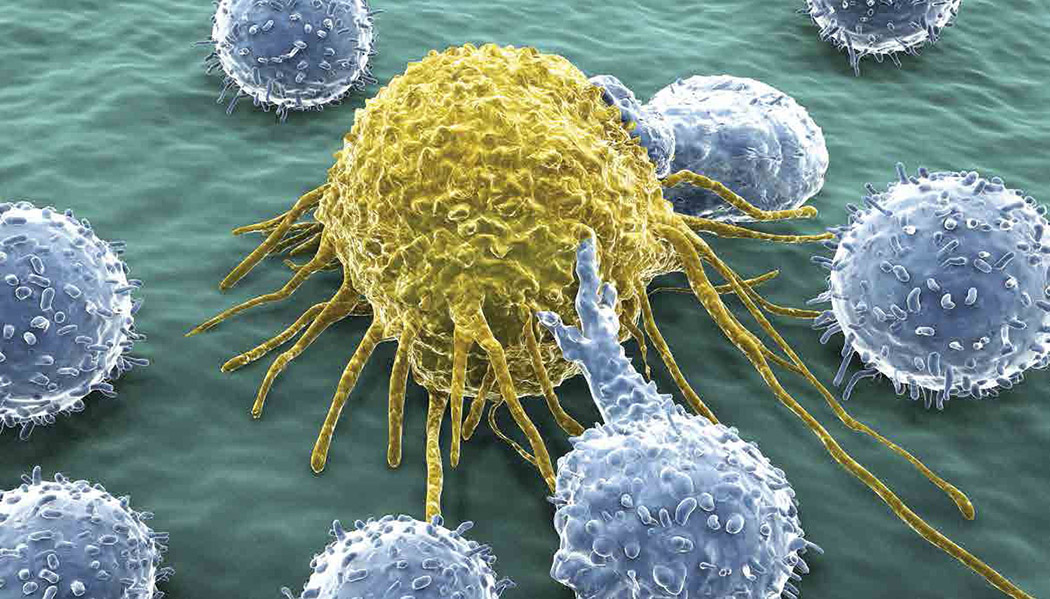
[vc_row][vc_column][vc_column_text] Researchers at the University of Cardiff discovered that MR1-restricted T-cells can be used to broaden both the types of cancer and patients that can be treated using cellular therapy. During the past decade, cancer immunotherapy has emerged, along with surgery, radiation, and chemotherapy, as a fourth,...

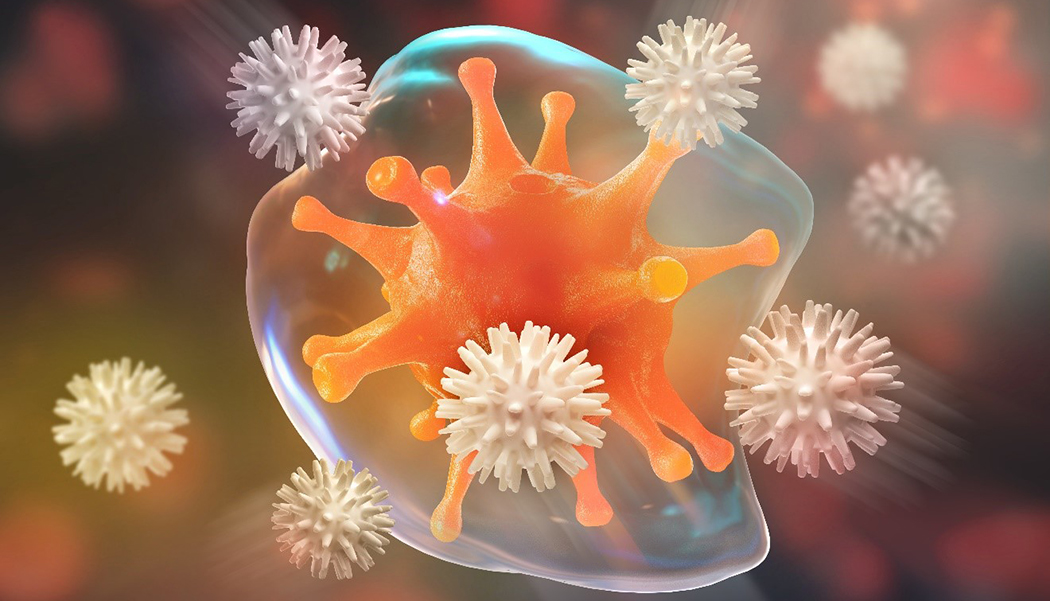
FOR IMMEDIATE RELEASE: March 12, 2020 CONTACT: National Foundation for Cancer Research Bradley Gillenwater, Senior Director for Global Program Development E-mail: bgillenwater@nfcr.org / Phone: 301-961-9161 ROCKVILLE, MD – A drug and drug delivery candidate technology, research into which has been funded by the National Foundation for Cancer Research (NFCR), has...

[vc_row][vc_column][vc_single_image image="26978" img_size="full" alignment="center"][/vc_column][/vc_row][vc_row][vc_column][vc_column_text css=""]Ask any parent about their child fighting cancer, and words like “nightmare” and “helpless” will almost certainly be part of the conversation. Within pediatric cancer medicine, the entire field faces the brutal reality that chemotherapy, surgery, and most other cancer treatments...

[vc_row][vc_column][vc_single_image image="21221" img_size="full" alignment="center"][/vc_column][/vc_row][vc_row][vc_column][vc_column_text]  The term nanomedicine, alluding to technologies with mechanisms and surface area characteristics sized in terms of billionths of a meter, has held promise for years, but breakthroughs specific to therapies have been limited. After five years of intense collaborative work by distinguished...

It is the “new territory” of oncology: Getting the immune system to successfully fight a standing cancer. No other biological system within our bodies is more suited, adept or evolved to such a purpose. Indeed, our immune system is remarkably successful in spotting and destroying...