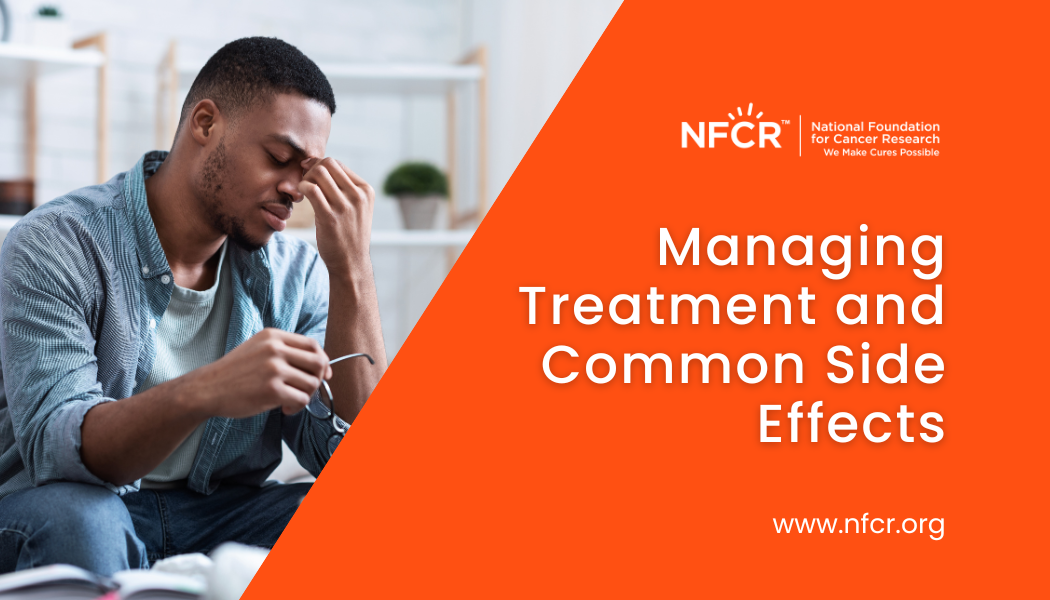
[vc_row][vc_column][vc_single_image image="64529" img_size="full" alignment="center" css=""][/vc_column][/vc_row][vc_row][vc_column][vc_column_text css=""] At the National Foundation for Cancer Research (NFCR), we know that cancer treatment can be tough, but understanding side effects and learning how to manage them can make a big difference in your comfort and recovery. While every patient's experience is...
[vc_row][vc_column][vc_single_image image="64498" img_size="full" alignment="center" css=""][/vc_column][/vc_row][vc_row][vc_column][vc_column_text css=""] At the National Foundation for Cancer Research (NFCR), we believe that building the right care team and learning to communicate effectively with your healthcare providers are essential to your cancer journey. Having a team you trust — and knowing how to...

[vc_row][vc_column][vc_single_image image="64491" img_size="full" alignment="center" css=""][/vc_column][/vc_row][vc_row][vc_column][vc_column_text css=""] At the National Foundation for Cancer Research (NFCR), we believe that knowledge is power. When you are first diagnosed with cancer, the amount of information can feel overwhelming, but understanding the basics about your disease and treatment options can help you...

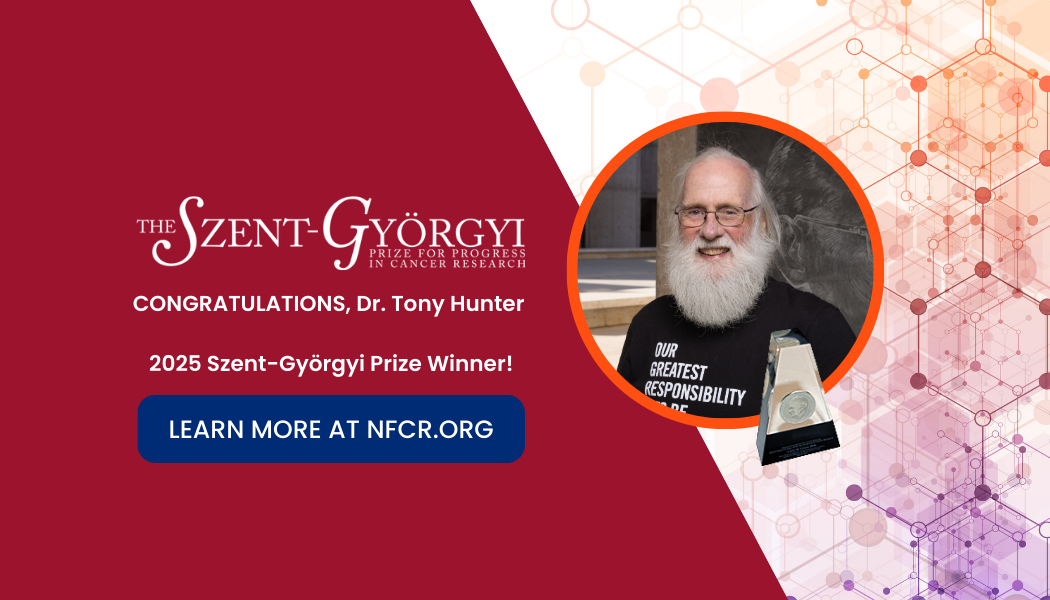
[vc_row][vc_column][vc_column_text css=""]Rockville, MD — The National Foundation for Cancer Research (NFCR) proudly announces that Dr. Tony Hunter of the Salk Institute for Biological Studies has been awarded the 2025 Szent-Györgyi Prize for Progress in Cancer Research for a discovery that forever changed how cancer is...

[vc_row][vc_column][vc_single_image image="63098" img_size="full" alignment="center" css=""][vc_column_text css=""]In honor of World Cancer Day, February 4, 2025, we asked key voices from our NFCR community about what this year’s goal of moving toward people-centered care means to them. First, What is People-Centered Care? People-centered care is a shift toward treating...

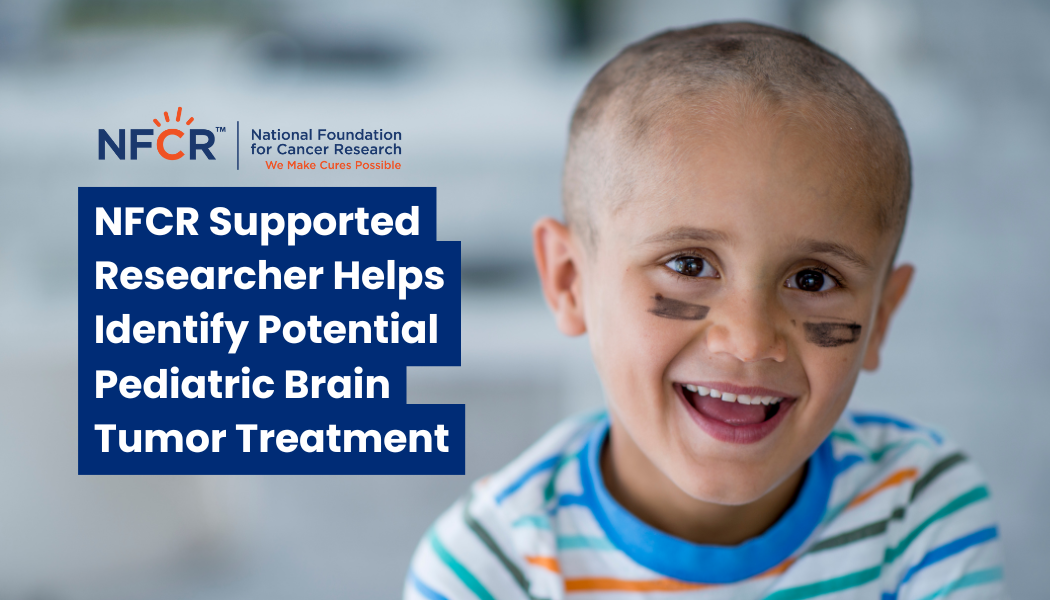
[vc_row][vc_column][vc_single_image image="63063" img_size="full" alignment="center" css=""][vc_column_text css=""]NFCR-supported researcher Dr. Rakesh K. Jain of Massachusetts General Hospital Cancer Center continues to make breakthroughs against some of the most difficult-to-treat cancers. In a recent study published in PNAS: Targeting EPHB2/ABL1 restores antitumor immunity in preclinical models of ependymoma,...

[vc_row][vc_column][vc_single_image image="50914" img_size="full" alignment="center" css=""][/vc_column][/vc_row][vc_row][vc_column][vc_column_text css=""]The results are in, and you have cancer. Though no appointment will be stress-free, the first appointment with your oncologist is often the most difficult. It's scary, you're unfamiliar with the jargon, and you have so many questions and worries...

[vc_row][vc_column][vc_single_image image="50653" img_size="full" alignment="center" css=""][/vc_column][/vc_row][vc_row][vc_column][vc_column_text css=""] Did you know that normal oxygen levels inside and surrounding the tumors are critical for effective cancer treatment? Studies have found that when a tumor stays in a low oxygen status called hypoxia, it becomes resistant to many treatments. These treatments...

[vc_row][vc_column][vc_single_image image="48299" img_size="full" alignment="center"][vc_column_text] Triple-negative breast cancer (TNBC) is more aggressive and has a worse prognosis than other breast cancers. Triple-negative breast cancer (TNBC) accounts for about 15-20% of all breast cancers. The word "triple-negative" means laboratory test results for the three treatment targets on cancer cells,...

[vc_row][vc_column][vc_single_image image="47798" img_size="full"][vc_column_text css=""]Ocular melanoma or uveal melanoma is the most common tumor of eyes in adults. Every year, hundreds of people are diagnosed with this disease. For decades, no effective therapy for the disease existed. Many ocular melanoma patients, thus, have to be treated...