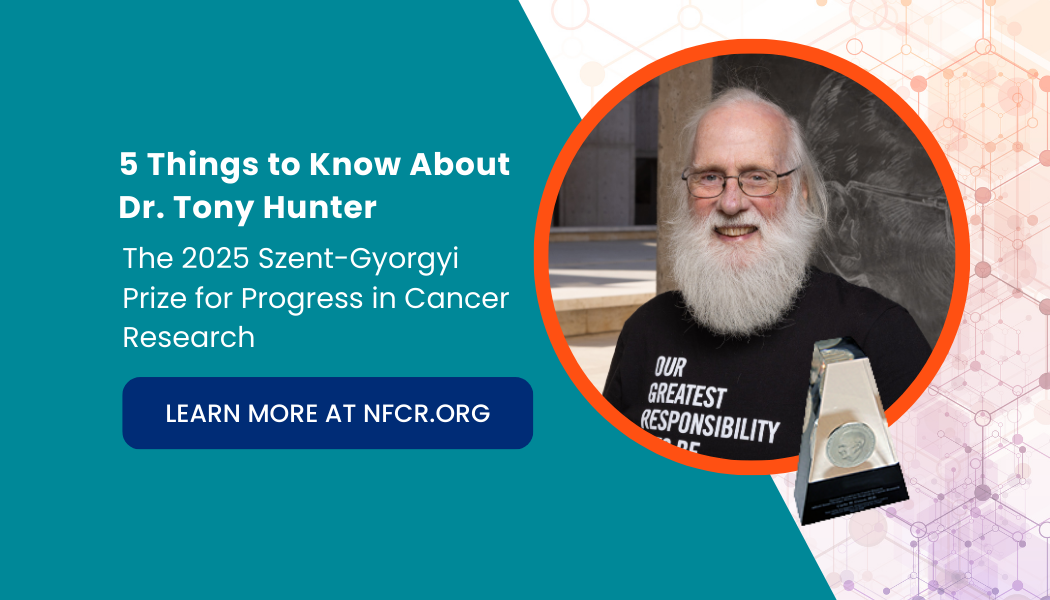
[vc_row][vc_column][vc_single_image image="65304" img_size="full" alignment="center"][/vc_column][/vc_row][vc_row][vc_column][vc_column_text]Dr. Tony Hunter of the Salk Institute is well-known for discovering the cellular process of tyrosine phosphorylation and how miscues in this signaling pathway can lead to unchecked cell growth. The results of his discovery are the development of the blueprint for...
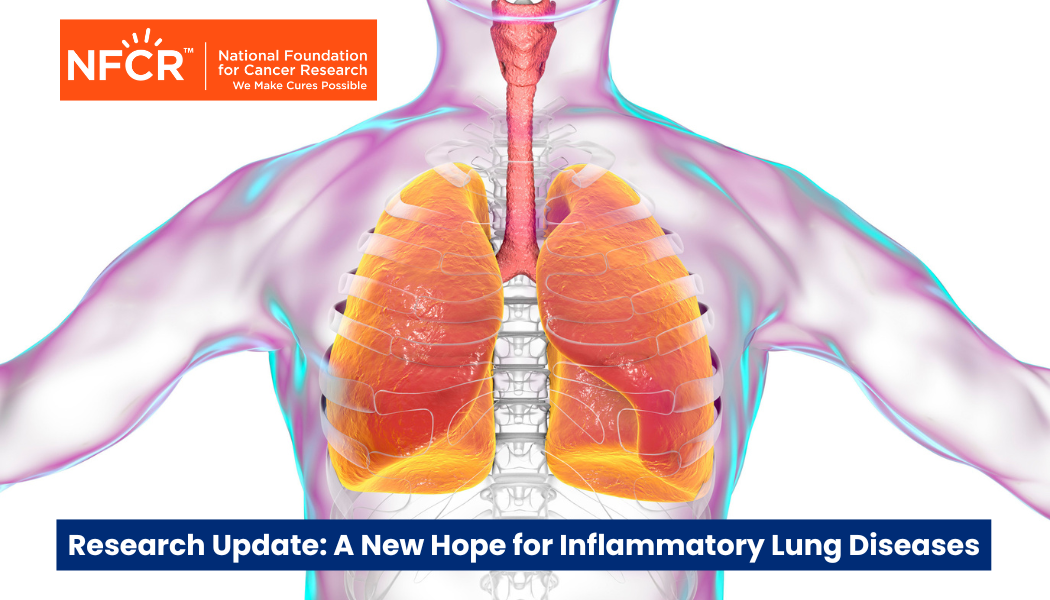

[vc_row][vc_column][vc_single_image image="63691" img_size="full" alignment="center" css=""][/vc_column][/vc_row][vc_row][vc_column][vc_column_text css=""] A new treatment may soon bring relief to people suffering from pulmonary sarcoidosis, a serious lung disease with few good treatment options. The discovery comes from research led by Dr. Paul Schimmel of Scripps Research, a longtime scientist supported by...

[vc_row][vc_column][vc_single_image image="48930" img_size="full" alignment="center"][/vc_column][/vc_row][vc_row][vc_column][vc_column_text] “One-Size-DOES NOT-Fit-All” ‘You wouldn’t wear just any pair of glasses – your prescription is tailored to your vision’1. This statement alludes to and embraces the importance of an individual’s unique characteristics: genetics, health history, lifestyle, diet, or geographic location. Just as you would...

[vc_row][vc_column][vc_single_image image="48299" img_size="full" alignment="center"][vc_column_text] Triple-negative breast cancer (TNBC) is more aggressive and has a worse prognosis than other breast cancers. Triple-negative breast cancer (TNBC) accounts for about 15-20% of all breast cancers. The word "triple-negative" means laboratory test results for the three treatment targets on cancer cells,...

[vc_row][vc_column width="1/4"][vc_single_image image="28941" img_size="medium" add_caption="yes" alignment="center" onclick="custom_link" link="/scientists/wei-zhang/"][/vc_column][vc_column width="3/4"][vc_column_text] “The essence of precision medicine, in particular precision oncology, is to make cancer management more precise based on genomic mapping and molecular characterization of the unique tumors for each patient,” says Dr. Wei Zhang. “The cancer management...

[vc_row][vc_column width="1/4"][vc_single_image image="23034" img_size="large" alignment="center" style="vc_box_shadow_border"][/vc_column][vc_column width="3/4"][vc_column_text css=""]You wouldn’t think it, but the science cannot be denied: One of the newest and most promising drug candidates for cancer was actually developed all the way back in 1972. For malaria. “There were some hints in the literature,...

[vc_row][vc_column][vc_single_image image="48252" img_size="full" alignment="center"][/vc_column][/vc_row][vc_row][vc_column][vc_column_text css=""]A new cancer drug, larotrectinib, has in a very early clinical trial been shown to have a 93% (14/15) effectiveness rate for pediatric cancers; that is to say, for not just one cancer, but many. Hailed by the U.S. Food and Drug...