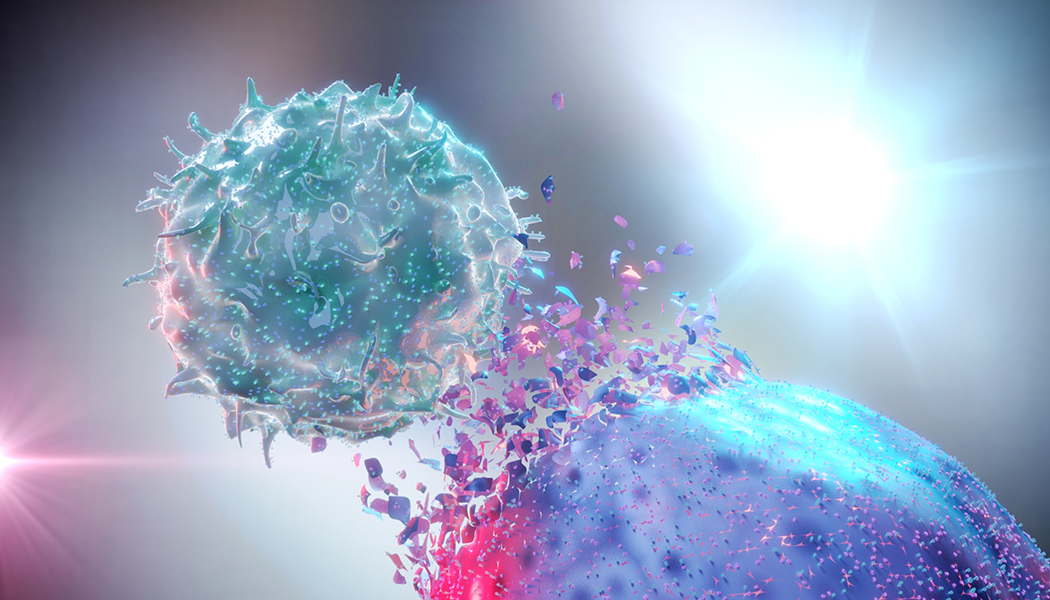
[vc_row][vc_column][vc_single_image image="48299" img_size="full" alignment="center"][vc_column_text] Triple-negative breast cancer (TNBC) is more aggressive and has a worse prognosis than other breast cancers. Triple-negative breast cancer (TNBC) accounts for about 15-20% of all breast cancers. The word "triple-negative" means laboratory test results for the three treatment targets on cancer cells,...
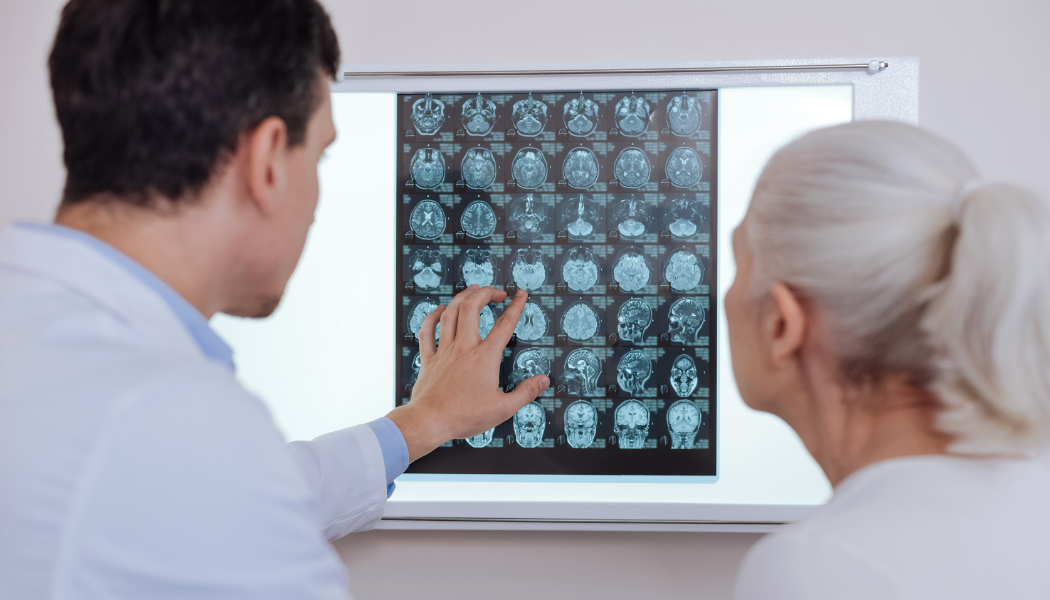
[vc_row][vc_column][vc_single_image image="46166" img_size="full" alignment="center" css=""][/vc_column][/vc_row][vc_row][vc_column][vc_column_text css=""]Glioblastoma multiforme (GBM) is the most aggressive malignant brain tumor in adults, with a median survival of only about ten months. Unlike low-grade gliomas (grades I and II), which grow slowly, high-grade gliomas (grades III and IV) grow much faster...

[vc_row][vc_column][vc_single_image image="44750" img_size="full" alignment="center"][vc_column_text]Immune checkpoint inhibitor (ICI) drugs, such as the PD-1inhibitors nivolumab and pembrolizumab, have provided unprecedented survival to patients in many types of cancer in recent years and are used for late-stage cancer treatment worldwide. Unfortunately, many patients who responded well to initial treatments gradually...

[vc_row][vc_column][vc_single_image image="44142" img_size="full" alignment="center" css=""][vc_empty_space height="22px"][vc_column_text css=""]Seizures are a severe complication of a brain tumor. An estimated 35-70 % of brain tumor patients may have a seizure(s) in the course of the disease, and 20-40 percent of the patients may have seizures as their first...

[vc_row][vc_column][vc_single_image image="43870" img_size="full" alignment="center" css=""][/vc_column][/vc_row][vc_row][vc_column][vc_column_text css=""] Lung Cancer is the deadliest type of cancer in the US. The American Cancer Society estimates that about 132,000 people will die of the disease in 2021. Thanks to the constant progress of innovative research and new drug development, mortality...

[vc_row][vc_column][vc_single_image image="40075" img_size="full" alignment="center" css=""][/vc_column][/vc_row][vc_row][vc_column][vc_column_text css=""]Immuno-oncology (IO) drugs have demonstrated unprecedented benefits in the treatment of several types of cancer. The overall survival time of cancer patients treated by IO drugs have been dramatically extended, and in some cases, even late stage fatal cancers are...