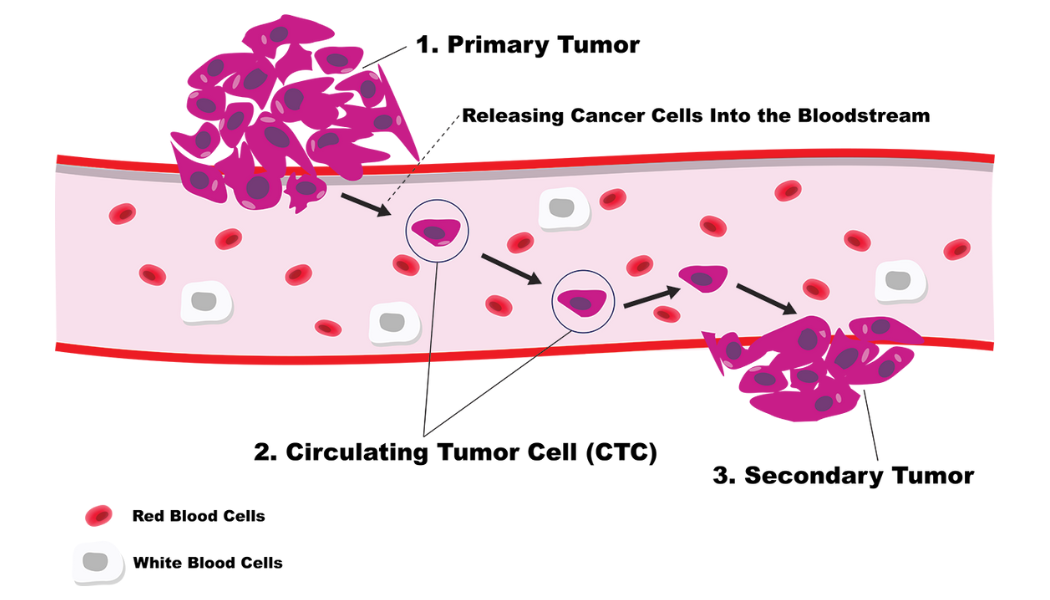
[vc_row][vc_column][vc_single_image image="69636" img_size="full" alignment="center" css=""][/vc_column][/vc_row][vc_row][vc_column][vc_column_text css=""]Cancer can spread when tumor cells leave the tumor and enter the bloodstream. These cells, called circulating tumor cells (CTCs), provide a valuable opportunity to study because CTCs reflect the current state of the disease. CTCs can help clinicians and...
[vc_row][vc_column][vc_single_image image="69584" img_size="full" alignment="center" css=""][/vc_column][/vc_row][vc_row][vc_column][vc_column_text css=""] Circulating tumor cells (CTCs) present a major problem for cancer treatment since they cause therapy resistance and metastasis, the main reasons for cancer-related deaths. By creating experimental models based on CTCs, it will be possible to study CTC biology and...

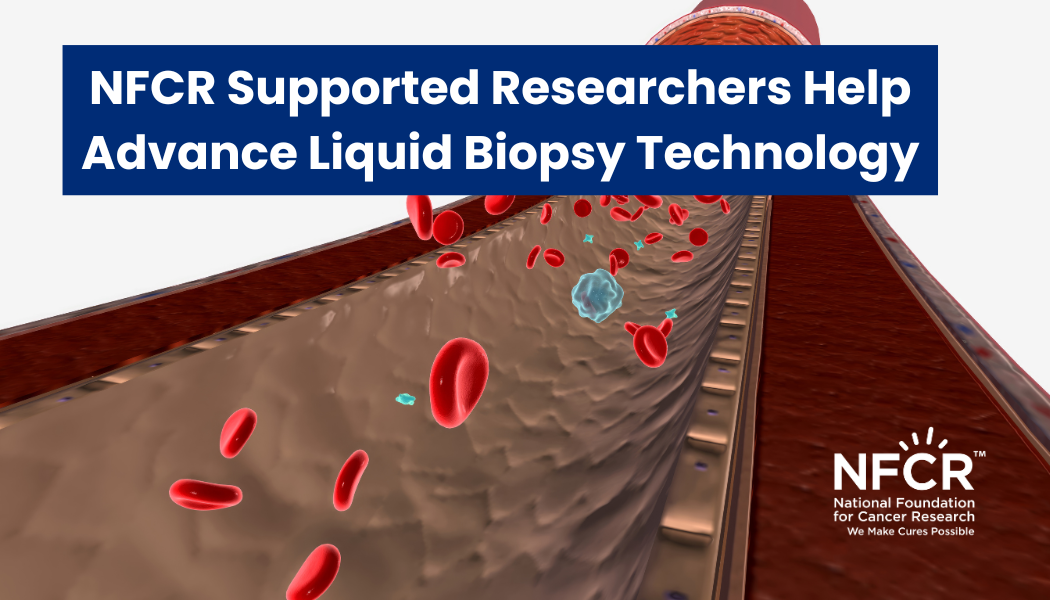
[vc_row][vc_column][vc_single_image image="62971" img_size="full" alignment="center" css=""][vc_column_text css=""]Two NFCR-supported researchers have recently published in the high-impact publication Nature Communications for their work on liquid biopsies and circulating tumor cells. Drs. Daniel A. Haber of Massachusetts General Hospital Cancer Center and Aditya Bardia of the University of California,...

[vc_row][vc_column][vc_column_text]Advanced or metastatic cancer takes the lives of more than 90% of patients. Early detection of cancer and its progression is a dire unmet need for patients and their families. It is a high priority for the cancer research community.[/vc_column_text][vc_single_image image="57656" img_size="500x500" alignment="center" onclick="custom_link" link="/research-programs/research-focus-areas/combating-metastases/"][vc_column_text]Dr. Daniel...