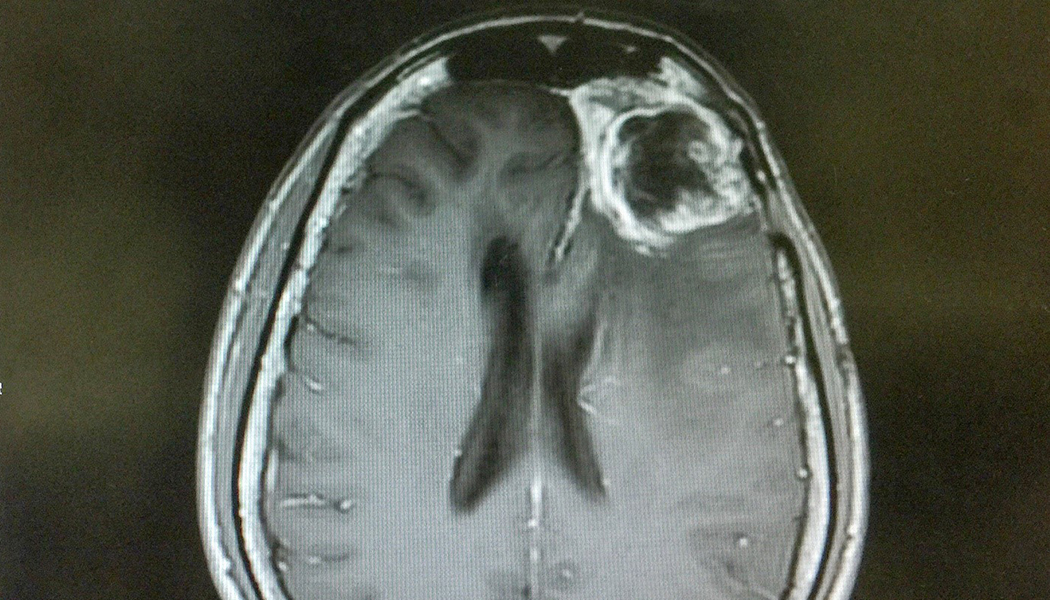
[vc_row][vc_column][vc_single_image image="44142" img_size="full" alignment="center" css=""][vc_empty_space height="22px"][vc_column_text css=""]Seizures are a severe complication of a brain tumor. An estimated 35-70 % of brain tumor patients may have a seizure(s) in the course of the disease, and 20-40 percent of the patients may have seizures as their first...

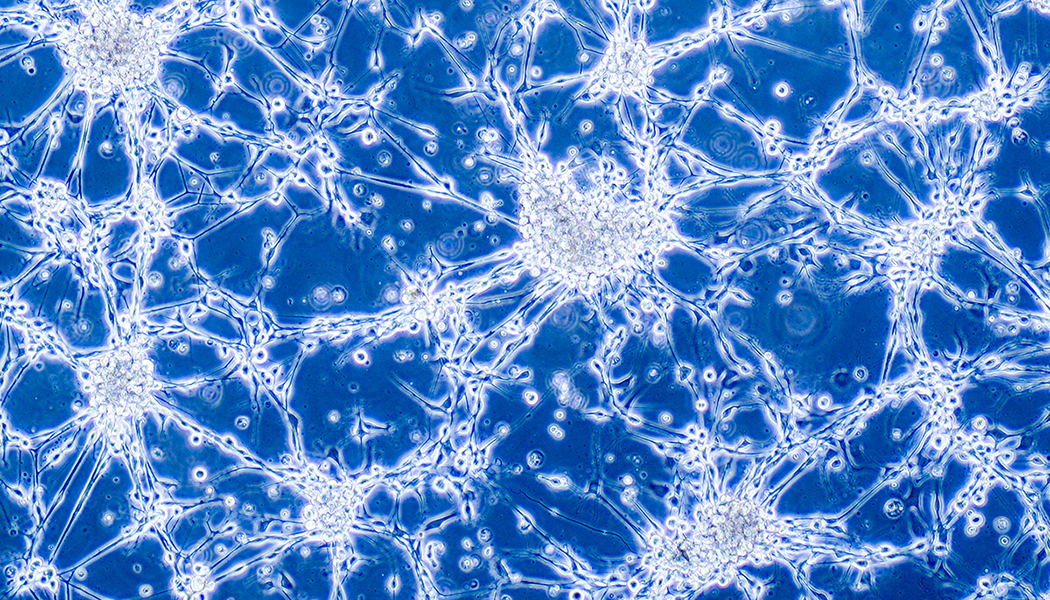
[vc_row][vc_column width="1/4"][vc_single_image image="27042" img_size="large" css=""][/vc_column][vc_column width="3/4"][vc_column_text css=""]In what could be a major breakthrough, scientists at the Korea Advanced Institute of Science and Technology (KAIST) in South Korea claim to have identified the cellular origin of glioblastoma, a fast-growing type of central nervous system tumor that...

[vc_row][vc_column][vc_video link="https://youtu.be/jp7v2avE1Ls" el_width="80" align="center" css=""][/vc_column][/vc_row][vc_row][vc_column][vc_column_text css=""]This year marks the 13th anniversary of Carmen Rice’s survival from Glioblastoma Multiforme (GBM) – the deadliest brain cancer that is widely regarded as incurable and universally fatal. GBM kills 91% of patients within three years of diagnosis, and NFCR...

[vc_row][vc_column][vc_column_text css=""]Glioblastoma multiforme—also known as GBM—is the most lethal form of brain cancer in adults. This devastating brain cancer spreads into other parts of the brain very quickly and is usually not surgically curable. Typically, radiation and chemotherapy are given with the hopes of delaying...